Do I Need Planning Permission in Olton or Berkswell Conservation Areas?
Thinking of extending your home in Olton or Berkswell, two of Solihull’s most loved conservation areas? If so, you’re not alone. The rising house prices in Solihull, as revealed by the Office for National Statistics (ONS), are driving more homeowners to consider extending rather than moving. But before you pick up the hammer, understanding the planning permission nuances in conservation areas—particularly Olton conservation area and Berkswell conservation area—is essential.
Why Are Extensions More Popular Than Moving in Solihull?
When looking at the May 2026 local house price breakdowns from the ONS, there’s a clear price gap between Solihull and neighbouring regions. This gap means moving costs and property premiums are becoming increasingly prohibitive for many homeowners. Stamp duty, legal fees, estate agent commissions, and removal costs quickly add thousands to the outlay—without adding any usable living space.

So, an extension—whether a single-storey rear or a two-storey side addition—looks more appealing. However, both come with their own financial and planning hurdles, especially in conservation areas where regulations are tight.
Understanding Conservation Areas: Olton & Berkswell Overview
Conservation areas like Olton and Berkswell are designated to protect the unique architectural and historical character of the neighbourhoods. Consequently, any significant changes to your property’s appearance—from extensions to external alterations—often require more detailed scrutiny by the council.
Here’s what’s crucial for homeowners in these areas:
- Stricter Planning Regulations: Permitted development rights may be more restricted or removed entirely.
- Design Compatibility: Extensions need to preserve or complement the character and style of the area.
- Tree and Landscaping Controls: Many properties have protected trees or green spaces requiring special consent.
Do You Need Planning Permission in Olton or Berkswell Conservation Areas?
Short answer: In most cases, yes—especially for anything beyond minor changes.
Although some small-scale works might qualify as permitted development, the fact that these are conservation areas means many standard rights are curtailed. This is where tools like the Solihull Check over here Council pre-application enquiry come into play, offering a chance to gauge whether your planned extension will need a full planning application or could be done under permitted development rules.
What Exactly Counts as Permitted Development Here?
- Single-storey rear extensions up to 3-4 metres depth for terraced/semi-detached homes, slightly more for detached
- Extensions not exceeding a certain height limit (often 4 metres for single-storey)
- No significant changes visible from the street or landmark-facing sides
- Non-habitable outbuildings and sheds under certain size thresholds
However, Olton and Berkswell conservation areas often have Article 4 Directions in place to remove these rights for many properties. That means even small extensions could require a detailed planning application.
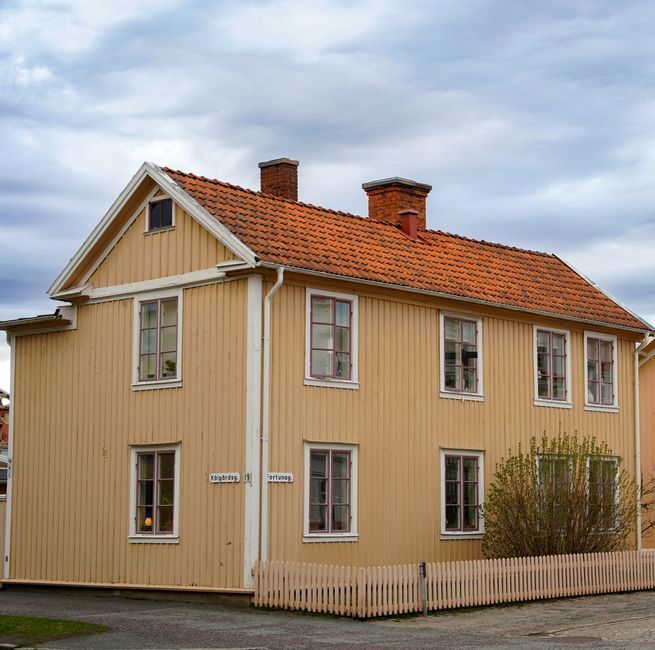
Detailed Planning Application: What to Expect
If you must submit a planning application, expect a rigorous review process focusing on:
- Design and Materials: Must be in keeping with the original building and conservation guidelines.
- Visual Impact: How the extension affects neighbours’ sightlines and local streetscape.
- Environmental Impact: Includes trees, boundary treatments, and green space.
You can use the Solihull Council planning application tool to track your submission and understand costs involved.
Cost Breakdown: Extension vs Moving in Olton and Berkswell
Let’s sanity-check the costs to help you decide:
Extension Costs by Size and Type
Extension Type Approximate Size (m²) Average Cost per m² (£)* Estimated Total Cost (£) Single-Storey Rear Extension 15-25 £2,000 - £2,800 £30,000 - £70,000 Two-Storey Side/Rear Extension 30-40 £2,500 - £3,500 £75,000 - £140,000*Prices include VAT and typical conservation area specification costs such as specialist materials and design consulting.
Moving Costs That Add No Space
- Stamp Duty Land Tax: For a property around £400,000 - £600,000 in Solihull, you could pay £10,000 to £20,000.
- Estate Agent Fees: Typically 1.5% to 3% of sale price, so £6,000 to £18,000.
- Legal Fees: Around £1,000 - £1,500.
- Removal Costs: Usually between £500 and £1,500 depending on scope.
These are costs that don’t increase your living space but weigh heavily on budgets—especially when compared to investing in an extension.
How to Get Accurate Quotes and Reliable Contractors
With costs this significant, vetting your contractors is vital. Companies like Checkatrade and MyJobQuote can connect you with trusted local builders experienced in conservation area work, ensuring proper compliance and quality.
When getting quotes, always confirm:
- Whether VAT is included.
- If the quote includes a contingency buffer (usually 10-15%) for unexpected issues.
- Specific experience in conservation areas, as this often affects timelines and material choices.
What People Often Forget to Budget For
- Party Wall Agreements: Required for neighbouring properties, often overlooked but needed for two-storey builds.
- Professional Fees: Architect, structural engineer, and planner fees can add 10-15% on top of construction costs.
- Landscaping & External Works: Repairs or enhancements to gardens and boundaries, often required by conservation guidelines.
- Planning Application Fees: Expect £200 - £400 depending on extension size, plus any associated environmental or heritage assessments.
Step-By-Step: How to Navigate the Process in Olton and Berkswell
- Check Permitted Development Rights – Use the permitted development checks to see if your plan qualifies.
- Pre-Application Enquiry – Submit your ideas to Solihull Council via their pre-application enquiry service to get early feedback.
- Engage Professionals – Hire an architect or design specialist familiar with conservation areas.
- Get Detailed Quotes – Collect bids via Checkatrade or MyJobQuote, ensuring VAT and contingencies are clear.
- Submit Planning Application – File a full application if needed, providing detailed drawings and heritage statements.
- Await Decision & Monitor Timelines – Planning decisions can take 6-8 weeks, sometimes longer in conservation areas.
- Start Construction – Only after planning approval and party wall agreements are in place.
Final Thoughts
Extending in Olton or Berkswell conservation areas is a smart move financially, given the Solihull price premium and moving costs. However, conservation rules are not to be underestimated. You need a detailed planning application for most projects, plus allowances for all the “hidden” costs rarely covered in headline budgets.
Keep checking the Office for National Statistics for the latest house price data and market trends, use the Solihull Council’s planning tools, and get trusted quotes via Checkatrade or MyJobQuote. That way, you’ll avoid nasty surprises and move confidently forward, not just in ambition but with a sound, realistic budget that respects the heritage of your community.