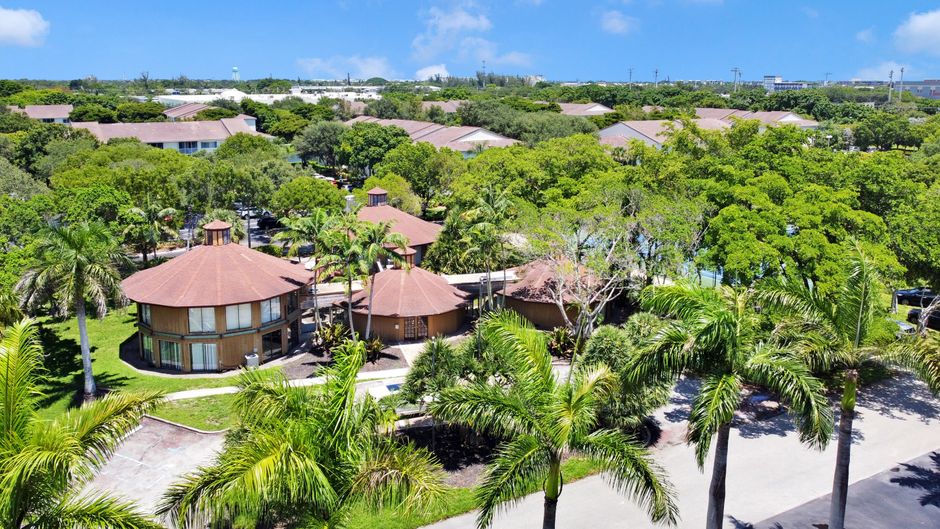
What Is Transitional Housing and Why Modular Fits It Sometimes
Transitional housing has become a critical component in addressing urgent housing needs across the United States, providing temporary shelter and support services to individuals and families in crisis. But with rising construction costs, workforce shortages, and stringent permitting processes, delivering these projects on time and within budget is an ongoing challenge. Modular construction methods are increasingly gaining attention as a viable solution to meet what is a HUD code manufactured home fast occupancy timelines without sacrificing quality or compliance.
In this post, we’ll explore what transitional housing is, why workforce housing constraints make modular an attractive option, how modular compares to manufactured housing, and delve into permitting workflows and inspection nuances. We’ll also highlight key players like The Other Side Village, Irontown Modular, and My Cozy Outdoors—companies shaping this space with innovative modular solutions.
What Is Transitional Housing?
Transitional housing refers to temporary residential facilities designed to provide a safe, supportive living environment for people moving out of homelessness or other unstable housing situations. It acts as a bridge between emergency shelters and permanent housing by offering longer-term accommodations—often ranging from a few months up to two years—combined with access to services like job training, counseling, and healthcare.
Typical transitional housing occupants include:
- Individuals and families experiencing homelessness
- Survivors of domestic violence
- People recovering from substance abuse
- Young adults aging out of foster care
Given the high demand and urgent need for these facilities, developers and public agencies strive for rapid delivery and fast occupancy timelines.
Workforce Housing as a Recruiting Constraint
One of the paradoxical challenges in building transitional housing is the scarcity of workforce housing near the job sites themselves. Construction labor shortages across the US West mean contractors often struggle to recruit and retain the skilled workforce needed to deliver projects efficiently. This is where workforce housing—affordable, accessible dwellings for workers—becomes a crucial recruiting tool but also a constraint.
Without nearby housing options, many workers face long commutes or relocation hurdles, slowing workforce mobilization and extending schedules. This labor bottleneck affects the timelines of conventional stick-built transitional housing projects, making it difficult to meet urgent occupancy goals.
Modular construction companies like Irontown Modular have addressed this by integrating factory-controlled production with streamlined site assembly, effectively minimizing on-site labor demands and dependency on local workforce housing conditions.
Manufactured vs Modular: Definitions and Codes
Understanding the distinction between manufactured and modular homes is essential before exploring how modular fits transitional housing needs.
Manufactured Housing
Manufactured housing is built entirely in a factory under the federal HUD Code (Housing and Urban Development). These homes are transported to the site on their own chassis and are considered “mobile” in some contexts. HUD Code homes must follow federal construction and safety standards rather than the local building codes at the installation site.
Modular Housing
In contrast, modular homes are prefabricated in sections—modules—inside factory settings but must comply with the local or state building codes where the home will be installed. Unlike manufactured homes, modular units are transported on flatbed trucks and assembled on a permanent foundation at the site. Modular units are subject to the same permitting workflows and inspections The original source as traditional site-built structures.
Aspect Manufactured Housing Modular Housing Construction Code Federal HUD Code Local/State Building Codes Transportation On Own Chassis On Flatbed Trailer Foundation Can be Temporary or Permanent Permanent Foundation Required Permitting Federal Oversight; Limited Local Full Local Permitting & Inspections Use Case Affordable, Relocatable Dwellings Permanent Residential or Commercial BuildingsFor transitional housing projects, modular construction offers the advantage of meeting local code requirements, eligibility for standard financing mechanisms, and integration with site-specific utilities and infrastructure—making them well-suited for public-sector and nonprofit developments like The Other Side Village.
Permitting Workflow and Inspections for Modular Projects
Because modular homes conform to local building codes, their permitting and inspection process, while sharing some commonalities with traditional construction, also has distinct aspects worth noting:
- Pre-application Coordination: Early engagement with city or county plan reviewers to clarify modular design and factory quality control documentation requirements.
- Module Production Inspections: Factory inspections happen alongside site plan reviews, ensuring each module meets code before shipping.
- Site Permits: Similar to site-built projects, permits are required for foundations, utility connections, grading, and site improvements.
- On-site Assembly Inspections: Inspectors verify structural connections, fire safety systems, accessibility, and integration with site utilities during and after assembly.
- Final Certification: The local authority issues final occupancy permits once all inspections are passed and documentation is completed.
This permitting workflow enables parallel progression of factory and site work, significantly compressing schedules. Companies like My Cozy Outdoors excel at helping clients navigate this concurrent process, guiding projects efficiently from factory floor to site-ready transitional housing units.
Schedule Compression Through Parallel Factory and Site Work
Traditional construction typically follows a sequential schedule: site prep and foundation first, then framing and enclosure, finishing interior work last. This linear approach often elongates timelines and increases exposure to weather or labor availability risks.
Modular construction fundamentally flips this paradigm by enabling simultaneous workflows inside a controlled factory environment while site work proceeds independently.
- Module Fabrication: Walls, floors, mechanical and electrical systems are pre-built according to design and code inside a factory.
- Site Work: Foundation installation, utility trenching, grading, and road access happen concurrently with module fabrication.
- Delivery & Assembly: Once site is prepared, modules are delivered and craned into place rapidly—often completing enclosure and weatherproofing in days.
- Interior Finishing: Final plumbing, electrical connections, and finishing touches follow assembly, shortening the overall timeline.
This compressed schedule not only accelerates fast occupancy timelines but also reduces disruptions and cost overruns. The Other Side Village is one notable project employing modular techniques to deliver high-quality transitional housing swiftly and reliably to communities in need.
How Companies Are Making Modular Transitional Housing a Reality
Several modular industry leaders are actively supporting the growth of transitional housing through innovation, technical expertise, and community-focused solutions.
Irontown Modular
Based in the Pacific Northwest, Irontown Modular specializes in producing durable, code-compliant modular units designed for workforce and transitional housing applications. By leveraging their vertically integrated factory capabilities, they reduce on-site labor needs and help clients meet accelerated schedules—even amid persistent workforce housing shortages.
The Other Side Village
This nonprofit-led initiative is a powerful example of modular transitional housing in action. The Other Side Village combines modular construction with holistic support services to create dignified, temporary communities for homeless individuals. Their use of modular allows them to scale quickly while adhering to local codes, enabling fast occupancy crucial to their mission.
My Cozy Outdoors
Specializing in customizable small modular units, My Cozy Outdoors provides flexible housing solutions that can be deployed as transitional housing, temporary workforce quarters, or emergency shelters. Their deep understanding of permitting workflows and on-site assembly ensures clients can meet tight deadlines efficiently.
Conclusion: When Does Modular Make Sense for Transitional Housing?
Modular construction is not a silver bullet for every transitional housing project, but it offers compelling advantages in certain contexts, especially when:
- Accelerated delivery and fast occupancy timelines are essential
- Local workforce shortages and workforce housing constraints limit on-site labor availability
- Projects require full compliance with local code and permitting (unlike manufactured housing)
- Budget control and risk mitigation through factory quality assurance are priorities
- Parallel factory and site workflows can be coordinated effectively
As demonstrated by trailblazing initiatives like The Other Side Village and experts such as Irontown Modular and My Cozy Outdoors, modular construction continues to evolve as an impactful approach that meets urgent housing needs with speed, quality, and regulatory confidence.
For public agencies, developers, and nonprofits looking to overcome workforce constraints and deliver transitional housing rapidly, modular is increasingly a strategic option worth serious consideration.